
For Homes & Multifamily Properties
Residential Asbestos Abatement
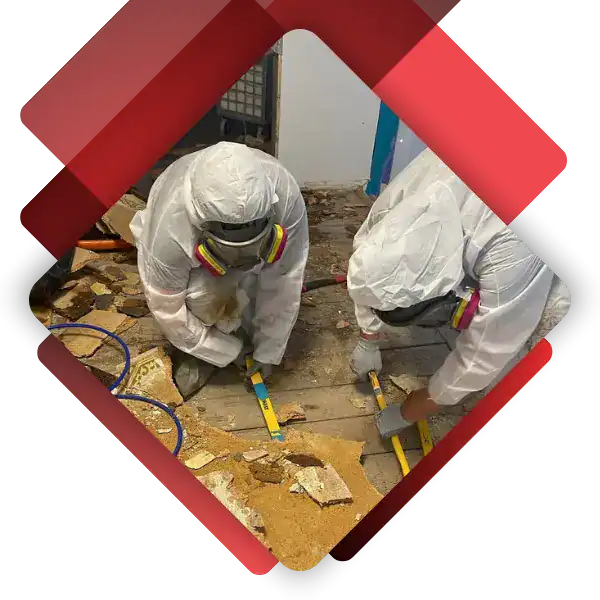
Archers Asbestos Abatement provides licensed residential asbestos abatement across Oregon and SW Washington when regulated materials are encountered during renovation, repair, or damage-related work.
Residential asbestos abatement is rarely planned in advance. In most cases, it becomes necessary once work begins or conditions change and regulated materials are encountered. Homes built before modern material standards often contain asbestos in places that remain hidden until renovation, repair, or damage exposes them.
Renovation, Repair, & Remodeling Work
Asbestos abatement is frequently required when renovation or repair work will disturb existing building materials. Activities such as cutting into walls, removing flooring, replacing insulation, or opening ceilings can impact materials that may contain asbestos, particularly in older homes.
While asbestos can remain stable when undisturbed, these activities significantly increase the risk of fiber release, making licensed abatement necessary before work can proceed.
Demolition & Selective Removal
Partial demolition, room reconfigurations, or selective removal of finishes often trigger abatement requirements. Even limited demolition can involve regulated asbestos-containing materials, requiring removal before framing, mechanical, or finish work continues.
This is especially common during kitchen and bathroom remodels, basement renovations, and structural alterations.
Water, Fire, or Structural Damage
Damage caused by water intrusion, fire, or structural failure can compromise materials that previously posed little risk. Once asbestos-containing materials become damaged, friable, or unstable, they must be addressed before drying, cleanup, or reconstruction can safely move forward.
These conditions often arise during insurance-driven repairs following leaks, floods, or fire loss.
Inspections & Real Estate Transactions
Asbestos is sometimes identified during pre-sale inspections, pre-purchase evaluations, or renovation planning. When regulated materials are confirmed and will be disturbed as part of planned work, abatement must be completed to allow projects or transactions to proceed without delay.
Residential asbestos abatement is typically narrower in scope than commercial work, but it still requires the same level of technical precision and regulatory control. In homes, abatement is often focused on specific rooms, materials, or areas affected by planned work or damage rather than full-building removal.
Targeted, Material-Specific Scopes
Most residential abatement projects involve selective removal of identified asbestos-containing materials. This may include flooring, insulation, wall or ceiling materials, or components exposed during renovation or repair. Archers projects are scoped to address only the regulated materials that will be disturbed, allowing the broader project to move forward safely.
Work Performed Within Living Spaces
Residential abatement frequently occurs in homes that are partially occupied or actively used. Archers Asbestos Abatement plans and executes work to isolate affected areas, protect adjacent spaces, and maintain controlled conditions throughout the project. This approach allows abatement to be completed without expanding the scope beyond what is necessary.
Coordination With Ongoing Home Projects
Asbestos is often discovered after renovation or repair work has already begun. Archers coordinates abatement with contractors, restoration teams, and insurance-driven repairs so work can resume promptly once regulated materials are addressed. Clear sequencing helps prevent rework, delays, or unintended exposure.
Preparing the Home for Next Steps
Once abatement is complete, Archers clears the affected areas so repair, reconstruction, or finishing work can continue. Addressing asbestos correctly at this stage helps stabilize the project and avoids future interruptions tied to regulated materials.
Residential asbestos abatement can feel disruptive, especially when it occurs unexpectedly during a home project. Archers manages the work with an emphasis on clear communication, defined boundaries, and coordinated scheduling to reduce disruption while regulated materials are addressed.
Access to Affected Areas
Archers limits abatement to clearly defined areas where regulated materials are present. During the project, access to those areas will be restricted, while other parts of the home can often remain accessible. The extent of restriction depends on the scope and location of the materials involved.
Occupancy During Abatement
Whether homeowners can remain in the home depends on the size of the work area, the type of materials being addressed, and how the space is configured. In many cases, Archers completes abatement in isolated areas while the home remains occupied. When temporary relocation is recommended, Archers communicates this early so homeowners can plan accordingly.
Scheduling & Duration
Residential abatement projects are typically short in duration once work begins. Archers coordinates schedules to minimize disruption and align abatement with renovation, repair, or restoration timelines whenever possible. Clear scheduling helps prevent extended downtime or repeated interruptions to the project.
Noise, Equipment, & Daily Impact
Abatement work may involve specialized equipment, temporary barriers, and changes to how certain areas of the home are used during the project. Archers explains what to expect in advance so homeowners understand how the work may affect daily routines.
Ongoing Communication
Throughout the project, Archers keeps homeowners informed about timing, progress, and completion. Clear communication helps ensure there is no uncertainty about what has been addressed and when other work can resume.
The following FAQs address common considerations homeowners have when regulated materials are encountered during renovation, repair, or damage-related projects.
How much does residential asbestos abatement typically cost?
The cost of residential asbestos abatement varies based on several factors, including the type of material involved, the amount of asbestos present, accessibility, and the size of the affected area. Smaller, targeted abatement projects may be relatively straightforward, while larger or more complex scopes can require additional containment, labor, and time.
Archers provides free estimates so homeowners have a clear understanding of the scope and cost before work begins. Identifying asbestos early and defining the abatement scope accurately can help reduce surprises and keep the broader project on track.
How long does residential asbestos abatement take?
Most residential abatement projects are relatively short in duration once work begins. Timelines depend on the scope of work, the materials involved, and site conditions. Some projects can be completed in a single day, while others may take several days.
Scheduling is influenced by testing results, regulatory notifications, or coordination with contractors or restoration teams. Archers communicates timelines clearly so homeowners know when work will begin and when other project phases can resume.
Can I stay in the home during asbestos abatement?
In many cases, homeowners are able to remain in the home while abatement is performed in isolated areas. Whether this is appropriate depends on the size and location of the work area, the type of materials being addressed, and how the home is configured.
When temporary relocation is recommended, Archers communicates this early so homeowners can plan accordingly.
Does insurance cover residential asbestos abatement?
Insurance coverage for asbestos abatement depends on the nature of the loss and the terms of the policy. In cases involving water damage, fire loss, or structural failure, abatement may be required before repairs can proceed and may be addressed as part of the claim.
Archers regularly supports insurance-driven residential projects and provides documentation that helps support claim review when applicable.
Do you provide asbestos testing?
Archers focuses on licensed asbestos abatement. If testing has not yet been completed, we can refer you to licensed asbestos testing professionals who can determine whether materials contain asbestos and whether abatement is required.
Can I remove asbestos myself?
Disturbing asbestos without proper controls can release fibers into the home, increasing health risks and contamination. Even when limited exemptions exist for owner-occupants, unlicensed removal can create larger problems and complicate future repairs, sales, or insurance claims.
Licensed abatement helps ensure regulated materials are addressed correctly and documented properly.