Asbestos Spill & Loss Response
Asbestos Contents Cleaning
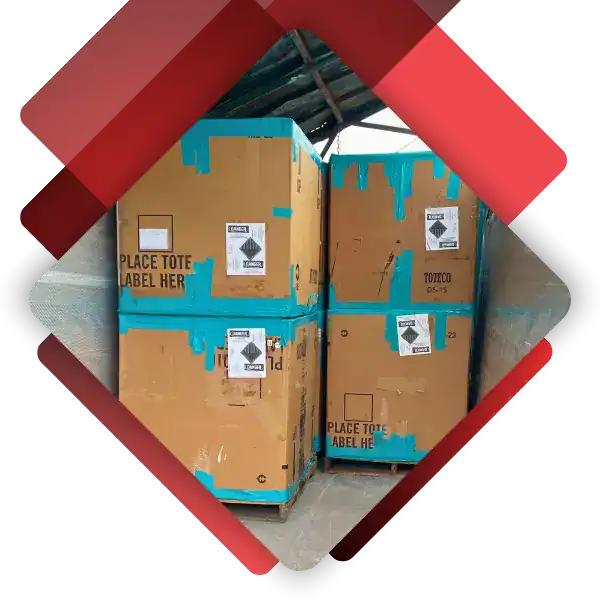
Asbestos contents decontamination and emergency spill response are required when asbestos-containing materials (ACMs) are accidentally disturbed, resulting in contamination of personal property and interior spaces. In these situations, rapid containment, controlled evaluation, and regulated handling of contents are critical to limit spread and allow recovery efforts to move forward safely.
Asbestos-related spills most often occur when work is already underway and asbestos-containing materials are unintentionally cut, broken, or otherwise disturbed. Once fibers are released, the situation shifts from routine work to a regulated incident that requires immediate control.
Unplanned Disturbance During Active Work
Emergency asbestos spills commonly happen during demolition, mitigation, repairs, or cleanup activities when materials believed to be non-hazardous are impacted. Water damage, fire loss, structural failure, or exploratory demolition can all expose asbestos unexpectedly, creating contamination in surrounding spaces and contents.
Rapid Containment to Limit Spread
Once asbestos fibers are released, they can migrate quickly beyond the immediate work area. Immediate containment is necessary to prevent contamination of additional rooms, shared spaces, or HVAC systems. Delays increase both risk and the scope of cleanup required.
Transitioning From Incident to Controlled Response
An emergency spill requires a rapid shift from active work to a regulated environment. Access must be restricted, affected areas isolated, and conditions stabilized so evaluation and decontamination can occur safely. Addressing the situation early helps limit project disruption and supports a smoother path to recovery.
When asbestos is disturbed, contamination often extends beyond building materials to include contents and personal property within the affected area. These items must be evaluated and handled inside a regulated environment before any determination can be made about salvage or disposal.
Assessment Within a Regulated Space
Contents exposed during an asbestos spill cannot be evaluated in the same manner as routine loss scenarios. Items must be assessed within controlled conditions to prevent fiber migration and secondary contamination. This evaluation determines whether decontamination is feasible or whether removal and disposal are required.
Salvageability & Decontamination
Some contents can be successfully decontaminated, allowing them to be returned to service or transferred to a contents handling company for further processing. Other items may be deemed non-salvageable due to the nature of the material, the extent of contamination, or the cost associated with safe removal of asbestos fibers.
Inventory & Documentation
For both salvageable and non-salvageable items, detailed inventories are created to support insurance review and project documentation. This typically includes written descriptions and photographic records that clearly document condition and disposition.
Controlled Removal &Disposal
Decontaminated contents are removed from the regulated area in a controlled manner so they can be safely handled by downstream vendors. Items that cannot be salvaged are disposed of in accordance with applicable asbestos regulations, helping clear the space for structural abatement and recovery work.
Asbestos contents decontamination is often part of a larger loss involving mitigation, reconstruction, and insurance review. This work must be completed in a way that supports claim resolution while allowing the broader recovery effort to move forward.
Insurance-Driven Documentation
When asbestos contamination affects contents, clear documentation becomes essential. Salvage determinations, inventories, and photographic records provide adjusters and project teams with defensible information needed to evaluate loss, replacement, or decontamination costs.
Coordination With Restoration & Mitigation Teams
Emergency asbestos spills often occur alongside water damage, fire loss, or structural failure. Contents decontamination and removal must be coordinated so mitigation and reconstruction work can proceed without recontaminating cleaned areas or delaying follow-on trades.
Clearing the Space for Structural Abatement
Once contaminated contents are evaluated, decontaminated, or removed, the affected space can transition to structural asbestos abatement. Completing this step correctly helps stabilize the site and creates a clear path for repair, rebuilding, or re-occupancy.
Asbestos spill events and contents decontamination raise practical questions around safety, timelines, salvageability, and insurance coordination. The following FAQs address common considerations when regulated materials are disturbed and contents decontamination is required.
What qualifies as an asbestos spill or emergency disturbance?
An asbestos spill occurs when asbestos-containing materials are unintentionally cut, broken, or otherwise disturbed, releasing fibers into surrounding areas. This often happens during demolition, mitigation, repairs, or cleanup when regulated materials were not previously identified.
How quickly do you respond to asbestos spill situations?
Response timing depends on site conditions and access, but emergency spill scenarios are prioritized because delaying containment can increase contamination and risk to occupants. We make every effort to respond to emergency events within two hours.
Can contaminated contents be saved?
Some items can be successfully decontaminated, while others cannot. Salvageability depends on the type of item, the extent of contamination, and whether asbestos fibers can be safely removed. All determinations are made within a controlled, regulated environment.
Who determines whether contents are salvageable or not?
Salvage decisions are made by our licensed asbestos professionals based on safety, regulatory requirements, and feasibility. Items may be deemed non-salvageable if asbestos cannot be safely removed or if decontamination is not cost-effective.
Why can’t a standard contents company handle asbestos-contaminated items?
Once asbestos is involved, contents evaluation and handling must occur under regulated conditions. Standard contents companies are not licensed to work in asbestos-contaminated environments, which is why this work must be completed by a licensed abatement contractor before contents are transferred or disposed of.
What happens after contents are removed or decontaminated?
Once contaminated contents are addressed, the affected space can transition to structural asbestos abatement. Clearing contents first helps stabilize the site and allows abatement and reconstruction work to proceed safely.
Do you work with restoration and mitigation teams during emergency losses?
Asbestos spills often occur alongside water damage, fire loss, or structural issues. We coordinate with restoration teams to sequence work appropriately and avoid recontamination or unnecessary delays.